Comfort: Individualized Respite Care in Intimate Senior Care Houses
Business Name: BeeHive Homes of Taylorsville
Address: 164 Industrial Dr, Taylorsville, KY 40071
Phone: (502) 416-0110
BeeHive Homes of Taylorsville
BeeHive Homes of Taylorsville, nestled in the picturesque Kentucky farmlands southeast of Louisville, is a warm and welcoming assisted living community where seniors thrive. We offer personalized care tailored to each resident’s needs, assisting with daily activities like bathing, dressing, medication management, and meal preparation. Our compassionate caregivers are available 24/7, ensuring a safe, comfortable, and home-like setting. At BeeHive, we foster a sense of community while honoring independence and dignity, with engaging activities and individual attention that make every day feel like home.
164 Industrial Dr, Taylorsville, KY 40071
Business Hours
Family caretakers are often the quiet foundation of elder care. They manage medications, coordinate medical consultations, prepare unique meals, manage finances, and keep a watchful eye on safety, all while juggling their own tasks, health, and households. At some point, nearly every caregiver strikes a wall. Sleep is broken, perseverance wears thin, and even simple jobs feel heavy.
Respite care was constructed for that moment.
When respite is offered in an intimate senior care home instead of a large center, the experience can feel less like "positioning" and more like a customized stay with a familiar group. Succeeded, it gives caretakers real rest and restores dignity and self-confidence for the older adult.
This is not simply a bed for a few nights. Individualized respite care, beehivehomes.com respite care particularly in small residential or boutique assisted living homes, can reset the trajectory for the whole family.
What respite care actually provides
People typically think about respite care as "a time-out," which is technically precise however misses out on the majority of the value. The genuine effect is layered.
For the caretaker, respite care uses time to participate in a wedding throughout the nation, recuperate after a surgical treatment, catch up on past due medical appointments, or just sleep without listening for every single sound in the hallway. There is also a psychological measurement. Caregivers can reconnect with their own identity, not simply as the boy who handles Mom's diabetes or the partner who supervises a partner living with dementia.
For the older grownup, respite care can supply safety, guidance, and social contact in a structured environment. In an intimate senior care home, it often implies consistent faces, foreseeable routines, and the opportunity to build relationships with staff and peers in a smaller setting. This can be especially valuable for somebody who might later on shift to full-time assisted living, since respite remains act as a mild trial run.
From a medical point of view, short stays likewise provide an opportunity to capture problems that may be hidden in a home setting. I have actually seen respite stays uncover unmanaged discomfort, medication adverse effects, untreated depression, and early cognitive changes that had actually been masked by a dedicated partner quietly compensating at home.
Why intimate senior care homes stand out
Large assisted living communities can do good work, however they tend to operate like small hotels with care added on. Intimate senior care homes, often licensed as small residential assisted living or board-and-care homes, normally have 4 to 16 citizens. That smaller scale changes nearly every aspect of respite care.
Daily routines are less institutional. Breakfast can happen when a resident is really awake, not when the dining-room opens. Familiar personnel notification if somebody leaves a favorite food unblemished or moves more slowly to the table. Those tiny hints often signify emerging medical or psychological issues.
Staff relationships are different as well. In a small home, it prevails for every employee to know the names of children, grandchildren, and even animals. When respite guests show up, they are usually folded into this family-like culture. The resident who comes for 10 days is not "space 204," however "Mr. Greene who loves jazz and takes his coffee additional strong."
Families frequently inform me that their relative "bloomed" throughout a brief remain in a small setting. Somebody who had actually withdrawn in your home often ends up being more talkative when routines are foreseeable and the environment quieter than a huge institution. That does not occur all over, but the odds enhance when noise is lower, group sizes are smaller, and personnel have time for one-on-one discussion rather of hurrying in between lots of residents.
Personalized care in practice, not on paper
Every brochure in senior care uses words like "personalized" and "individualized." What matters is how those words show up in day-to-day routines.
The finest intimate care homes treat the intake procedure for a respite stay with the same seriousness they use for a long-term resident. That normally consists of a thorough discussion before admission, focused less on medical diagnoses and more on routines and preferences.
In a strong program, the respite plan is detailed and actionable. "Likes to sleep in" ends up being, "Enable approximately 10:00 am wake time unless medically required to wake earlier, offer coffee and toast in space if chosen, avoid scheduling showers before midday." "Has arthritis and utilizes a walker" becomes, "Early morning pain tends to be worst, pre-medicate with acetaminophen 30 minutes before shower, prevent carrying products up stairs, encourage short, regular walks rather than cross countries."
Equally crucial is how frequently that strategy is adjusted. Individualized care is a living process. During a stay, staff ought to be evaluating how well the resident is consuming, sleeping, moving, and appealing, and then shifting the method as required. In a smaller home, those changes can occur quickly due to the fact that the decision makers are often on website and communicate daily with both residents and care teams.
I keep in mind one retired instructor who came for a two-week respite stay after a stay in rehabilitation following a hip fracture. On paper, her needs were basic: supervision with strolling and aid with showers. Personally, it ended up being clear she was nervous about falling again, so she limited her movement and consumed very little. Staff in the small home observed that she unwinded when speaking about her previous students. Within days, they invited her to "lead" a really informal, seated story circle with two other homeowners, discussing school memories. Her cravings enhanced, therefore did her gait self-confidence. That would have been far harder to notice and react to in a bigger, more confidential setting.
Matching respite care to the family's genuine needs
Not every household requires the same sort of break. The best respite plan depends upon the caregiver's situation, the older adult's health, and the long-lasting plan.
Some caregivers require a scheduled break to avoid burnout from sneaking into animosity. They might select a routine: one long weekend each month or a week twice each year. Regular respite in an intimate assisted living home can enter into the household rhythm. The resident ends up being knowledgeable about the home, staff know their regimens, and shifts get easier.
Others face intense situations. A caregiver might be hospitalized, handling chemotherapy, or recuperating from their own hip replacement. In those cases, the top priority is frequently medical stability and safety. An intimate senior care home that currently offers skilled senior care and elderly care services such as medication management, movement assistance, and complex diet oversight can absorb those responsibilities smoothly.
A third typical scenario is trialing a future living plan. Numerous households suspect that full-time assisted living may be needed within 6 to twelve months however feel hesitant to make the leap. Short, intentional respite remains in a small home deal important insight. Households see how their loved one responds to group meals, shared caretakers, and structured activities. Personnel observe how much care is really required and can offer honest feedback about whether long-term residency would be safe and suitable.
In each case, personalization is not only about the older adult. It also includes customizing the respite schedule, communication design, and expectations around jobs like laundry, transportation, and medical follow-up so that the caretaker truly rests rather of worrying.
Key advantages of intimate respite settings
When households compare respite alternatives, they typically focus on expense, place, and whether there is an offered bed. Those are very important, however subtle differences in setting can matter simply as much.
Smaller senior care homes generally have a more homelike design, with accessible kitchen areas, living spaces, and yards instead of long passages and big dining halls. For somebody who is overwhelmed in noisy spaces or has early dementia, this lowers confusion and stress.
Staff connection is another benefit. In large facilities, over night and weekend shifts might be completely various teams. In a personal or store home, the exact same caregivers often work across numerous shifts, and the owner or manager is frequently present in person. When a respite resident wakes at 2:00 am not sure where they are, a familiar voice can soothe them faster than a stranger.
Communication with families tends to be more direct. Small homes usually do not require households to browse several departments to reach the ideal person. If a concern occurs, the caretaker can talk straight with a supervisor who knows their relative and has authority to make decisions.
For the older grownup, that translates into quicker problem fixing. If a brand-new medication triggers dizziness, personnel can notice and alert the household or clinician the exact same day, instead of waiting for a weekly check-in. If someone is clearly thriving with additional social time outdoors, the regimen can be adjusted without a formal committee or long approval chain.
Common issues and how to resolve them
Families frequently bring up the exact same questions when they think about respite care in an intimate setting.
The first is guilt. Many caregivers feel that needing a break indicates they are stopping working. From an expert standpoint, the opposite is true. Sustainable senior care needs rest. The most competent caregivers end up being less patient and more vulnerable to errors when they are tired. An organized respite stay is among the most accountable choices a caregiver can make.
The second concern associates with trust. Enabling another person to take care of a partner or parent who might be frail, confused, or vulnerable can feel frightening. In smaller homes, it assists to construct familiarity before a full stay. Brief visits for coffee, attending an activity together, or attempting a single over night can soften the shift and provide both caregiver and resident confidence in the team.
The third is worry of decrease. Some households fret that a loved one will weaken without them. The truth is nuanced. Periodically a person will resist initially, particularly if they do not comprehend why they are remaining someplace brand-new. But with great preparation, clear explanation, and warm support from staff, numerous respite homeowners maintain or even enhance their function. The break can slow caretaker burnout, which in turn supports better care in the house afterward.
Questions to ask when examining an intimate respite provider
A short, focused list can sharpen your instincts during trips and telephone call. Consider asking:
- How lots of citizens live here at complete capability, and the number of staff are normally on responsibility at one time?
- How do you collect information about a respite resident's routines, likes, and dislikes before arrival?
- What is your procedure if a resident has a medical change or fall throughout a respite stay?
- How do you help a brand-new respite resident change in the first 24 to 72 hours?
- Can I get brief updates during the stay, and how will those be delivered: phone, text, e-mail, or scheduled call?
The material of the responses matters, but so does the tone. Do personnel discuss locals as people or mostly in regards to jobs and diagnoses? Are they happy to give concrete examples instead of broad reassurances?
Preparing a loved one for respite in a small home
The psychological preparation can be as crucial as any medical documents. The way you frame the stay heavily influences how your relative experiences it.
For someone with clear thinking and insight, include them early at the same time. Review sales brochures or sites together, visit the home, and stress that this is a short stay developed to support both of you. Avoid providing respite as something being done "to" them. Instead, frame it as an opportunity: meals prepared by others, brand-new individuals to talk with, an opportunity for you to deal with useful jobs without rushing.
If your family member has dementia or considerable memory concerns, focus less on the label "respite" and more on immediate benefits. Phrases like "We discovered a place where people can assist with your walking and cooking for a little while so you can get stronger" or "You will stay here for a short time while I take care of some consultations, and after that I will choose you up" can minimize stress and anxiety. The secret is calm repeating and consistency.
Comfort products matter more in intimate settings because the space permits them. A favorite robe, household pictures, a familiar pillow, or the very same brand of tea from home can reduce the change and assist staff connect more personally. Personnel in small homes often use these items as discussion beginners, which can quickly construct trust.
The caretaker's function during and after respite
Many caregivers assume they must go back entirely during respite. That is definitely an option if the goal is deep rest. However, in a smaller assisted living home, a measured level of participation can deepen the quality of care without undermining the break.
Before the stay, supply clear written notes about routines, sets off, and options that have worked at home. For example, noting that your father refuses showers in the early morning however generally accepts them after lunch with calm music playing can save days of disappointment. In a compact home environment, personnel can quickly adopt those strategies.
During the stay, choose ahead of time how typically you want updates. Some caregivers feel calmer with a short day-to-day text or more arranged telephone call each week. Others prefer to hear only if there is a considerable modification. Interact your choice so you are not left stressing or, on the other hand, feeling overwhelmed with small reports.
When the respite stay ends, a debrief with staff is important. Ask what they saw about movement, mood, cravings, sleep patterns, and medication efficiency. This type of feedback can assist future care strategies, whether you continue in your home, extend respite, or begin considering a more long-term transfer to assisted living or a similar senior care setting.
When respite exposes bigger care needs
Respite care frequently serves as a tension test for the present plan at home. Sometimes the results are assuring. Personnel may report that your mother handles most tasks with minimal support and enjoys social contact, which can confirm your decision to keep her at home with routine breaks.
Other times, the stay uncovers that the individual requires more constant help than anyone understood. Perhaps it ends up being clear that they require aid with toileting in the evening, are risky with stairs, or can not dependably manage even easy medications. In an intimate senior care home, those issues appear rapidly because staff see the very same residents across the whole day and night.
If that takes place, households have tough choices to make. It helps to analyze the findings not as a failure, but as essential data. The primary goals are security, dignity, and lifestyle for both the older adult and the caregiver. Long-term residency in a small assisted living environment might end up being the safer and more sustainable option.
One benefit of an intimate setting is the possibility of continuity. An individual who first comes for respite often has the alternative to shift into long-term residency without altering environments. Familiar spaces, faces, and routines continue, reducing the stress of another relocation. When that connection is possible, it tends to soften the emotional weight of the decision.
Signs an intimate senior care home is an excellent suitable for respite
During tours and conversations, pay attention to subtle cues. Some practical indications that a home is well matched for personalized respite care include:
- Staff can remember details about existing residents that surpass medical diagnosis, such as pastimes, preferred foods, or household stories.
- The environment feels calm, with workable sound levels and residents who appear engaged instead of parked in front of tvs.
- Policies around respite are clear: minimum stay length, everyday rate, what is included in the charge, and how medical events are dealt with.
- The home is willing to collaborate with your existing medical group, including primary care, home health, or specialists.
- The supervisor or owner reveals interest about your relative as an individual, not simply as a bed to fill.
Trust both what you hear and what you feel. If staff regularly rush, prevent eye contact, or seem uneasy answering specific concerns, that deserves heeding.
Cost, worth, and reasonable expectations
Respite care in an intimate senior care home typically costs an everyday rate that might be greater than per-day costs in a big center, especially if the home provides a high staff-to-resident ratio. However, value is not simply determined in dollars. The quieter environment, more versatile routines, and closer guidance can equate into less complications, better emotional adjustment, and better feedback for long-term planning.
Insurance coverage for respite is patchy. Some long-lasting care insurance coverage cover a limited variety of respite days each year in licensed assisted living. Certain government programs or veterans' advantages may likewise offer assistance, specifically for caretakers of individuals with substantial physical or cognitive problems. Each scenario needs private review. Households must ask companies directly about all-inclusive expenses, deposits, possible additional charges, and what takes place if the stay is shortened or extended.
It is essential to hold reasonable expectations. Even in an excellent home, the very first day or two of respite can be rough. A disoriented resident may want to go home, staff may still be discovering the very best method to support them, and routines remain in flux. The procedure of quality is not whether the first 24 hours are ideal, however how responsive the team is in adjusting to what they see.
A sustainable course forward
Caregiving for an older grownup, particularly over years, is a marathon. No amount of love can change sleep, protect your spine permanently, or magically avoid your own chronic health problems. Utilizing respite care is one of the couple of tools that protect both the caregiver and the individual getting care.
When respite takes place in an intimate senior care home, with its smaller scale and focus on relationship, it has the possible to be far more than a holding pattern. It can be an active period of stabilization, observation, and renewal for the older grownup, and a possibility for the caregiver to go back to their function with energy, clarity, and less guilt.
The combination of professional oversight, assisted living level support, and a homelike environment can develop something families seldom experience in high-stress caregiving seasons: real peace of mind.
BeeHive Homes of Taylorsville provides assisted living care
BeeHive Homes of Taylorsville provides memory care services
BeeHive Homes of Taylorsville provides respite care services
BeeHive Homes of Taylorsville supports assistance with bathing and grooming
BeeHive Homes of Taylorsville offers private bedrooms with private bathrooms
BeeHive Homes of Taylorsville provides medication monitoring and documentation
BeeHive Homes of Taylorsville serves dietitian-approved meals
BeeHive Homes of Taylorsville provides housekeeping services
BeeHive Homes of Taylorsville provides laundry services
BeeHive Homes of Taylorsville offers community dining and social engagement activities
BeeHive Homes of Taylorsville features life enrichment activities
BeeHive Homes of Taylorsville supports personal care assistance during meals and daily routines
BeeHive Homes of Taylorsville promotes frequent physical and mental exercise opportunities
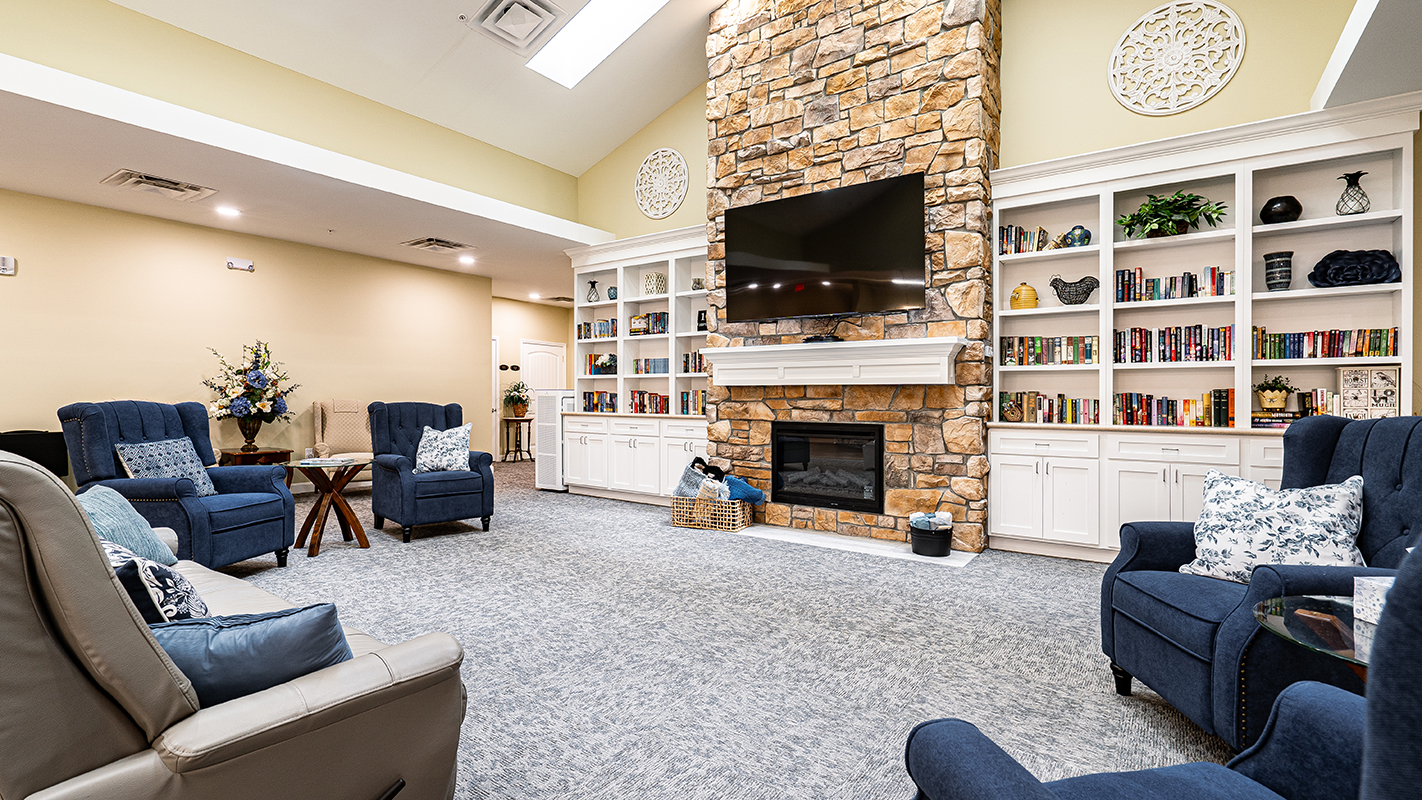
BeeHive Homes of Taylorsville provides a home-like residential environment
BeeHive Homes of Taylorsville creates customized care plans as residents’ needs change
BeeHive Homes of Taylorsville assesses individual resident care needs
BeeHive Homes of Taylorsville accepts private pay and long-term care insurance
BeeHive Homes of Taylorsville assists qualified veterans with Aid and Attendance benefits
BeeHive Homes of Taylorsville encourages meaningful resident-to-staff relationships
BeeHive Homes of Taylorsville delivers compassionate, attentive senior care focused on dignity and comfort
BeeHive Homes of Taylorsville has a phone number of (502) 416-0110
BeeHive Homes of Taylorsville has an address of 164 Industrial Dr, Taylorsville, KY 40071
BeeHive Homes of Taylorsville has a website https://beehivehomes.com/locations/taylorsville
BeeHive Homes of Taylorsville has Google Maps listing https://maps.app.goo.gl/cVPc5intnXgrmjJU8
BeeHive Homes of Taylorsville has Facebook page https://www.facebook.com/BHTaylorsville
BeeHive Homes of Taylorsville has an Instagram page https://www.instagram.com/beehivehomesoftaylorsville/
BeeHive Homes of Taylorsville won Top Assisted Living Homes 2025
BeeHive Homes of Taylorsville earned Best Customer Service Award 2024
BeeHive Homes of Taylorsville placed 1st for Senior Living Communities 2025
People Also Ask about BeeHive Homes of Taylorsville
What is BeeHive Homes of Taylorsville Living monthly room rate?
The rate depends on the bedroom size selection. The studio bedroom monthly rate starts at $4,350. The one bedroom apartment monthly rate if $5,200. If you or your loved one have a significant other you would like to share your space with, there is an additional $2,000 per month. There is a one time community fee of $1,500 that covers all the expenses to renovate a studio or suite when someone leaves our home. This fee is non-refundable once the resident moves in, and there are no additional costs or fees. We also offer short-term respite care at a cost of $150 per day
Can residents stay in BeeHive Homes until the end of their life?
Usually yes. There are exceptions, such as when there are safety issues with the resident, or they need 24 hour skilled nursing services
Do we have a nurse on staff?
No, but we do have physician's who can come to the home and act as one's primary care doctor. They are then available by phone 24/7 should an urgent medical need arise
What are BeeHive Homes’ visiting hours?
Visiting hours are adjusted to accommodate the families and the resident’s needs… just not too early or too late
Do we have couple’s rooms available?
Yes, each home has rooms designed to accommodate couples. Please ask about the availability of these rooms
Where is BeeHive Homes of Taylorsville located?
BeeHive Homes of Taylorsville is conveniently located at 164 Industrial Dr, Taylorsville, KY 40071. You can easily find directions on Google Maps or call at (502) 416-0110 Monday through Sunday Open 24 hours
How can I contact BeeHive Homes of Taylorsville?
You can contact BeeHive Homes of Taylorsville by phone at: (502) 416-0110, visit their website at https://beehivehomes.com/locations/taylorsville,or connect on social media via Facebook or Instagram
Rick's White Light Cajun Diner offers classic diner-style meals that can be enjoyed by residents receiving assisted living or memory care during senior care and respite care outings.
Corrections
Spot something wrong? Send it to the desk and it gets fixed in the open.